Which DIY Mold Test Kit Is Most Reliable in 2025?

Taking Control of Mold Detection

When it comes to protecting your home and your health, early detection of mold is critical—but professional inspections can be expensive and time-consuming. That’s where DIY mold test kits come in. Affordable, convenient, and increasingly sophisticated, these at-home kits promise to put the power of detection in your hands. But with so many options on the market in 2025, which one can you actually trust?

In this guide, we’ll break down the most reliable DIY mold test kits of 2025, compare their accuracy, ease of use, turnaround time, and cost—so you can make a confident, informed choice tailored to your specific objective. Whether you are dealing with musty odors, water damage, or mysterious health symptoms, the right test kit can be your first step toward clarity and a healthy home.

Let’s dive into the top picks of the year.

Top 5 DIY Mold Test Kits for Homeowners in 2025

#1: Best for Detecting Toxic Mold Exposure: Respirare Labs AMEA Mycotoxin Air Test

Identify invisible airborne mycotoxins that cause serious illness and long-term health risks with this first-of-its-kind mycotoxin air test.

#2: Best for Surface Toxin Detection: Respirare Labs MESA Mycotoxin Surface Test

Detect dangerous mycotoxins hiding on furniture, walls, contents, and HVAC systems—even after remediation.

#3: Best Traditional Surface Mold Test: Mold Inspection Network DIY Mold Test Kit

Reliable surface mold identification with lab analysis and expert support included.

#4: Best DIY Airborne Mold Spore Test: My Mold Detective Air Sampling Kit

Professional-grade air sampling to identify and measure mold spore levels across multiple rooms.

#5: Best Budget Starter Kit: Mold Armor FG500 DIY Mold Test Kit

Simple and affordable petri dish testing for quick mold presence checks.

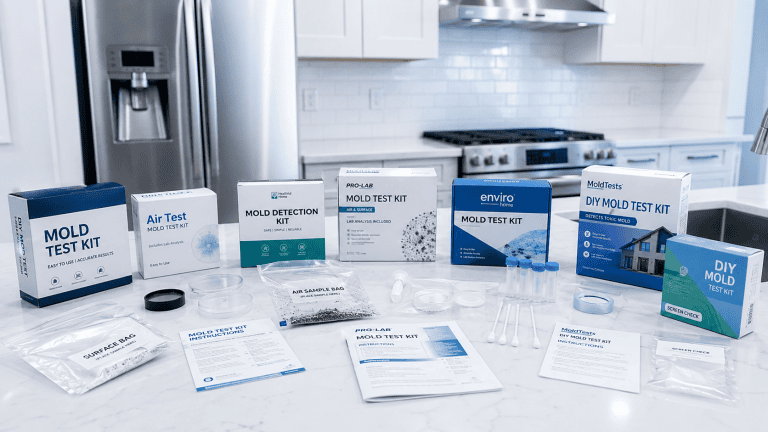
diy mold test kit with mycotoxin detection placed on a modern kitchen counter, illustrating at-home testing for mold and hidden toxins in indoor spaces.

Why More Homeowners Are Turning to DIY Mold Test Kits

In recent years, more homeowners have been turning to DIY mold test kits as an accessible and cost-effective first step in identifying potential mold problems. With professional inspections often carrying high price tags and long wait times, DIY kits offer a quicker, more affordable alternative that can be used at the homeowner’s convenience. Many homeowners appreciate the simplicity of collecting samples themselves and the ability to get preliminary results without committing to a full-scale inspection. Additionally, growing public awareness about the health risks associated with mold exposure has made people more proactive in seeking ways to monitor their indoor environments. For those who are concerned about mold but unsure where to start, DIY kits provide an easy entry point into the process of assessing their home’s air quality.

DIY mold kits offer a quick, affordable first step—but don’t replace the need to address underlying moisture issues.

While DIY mold test kits offer a fast and affordable way to detect potential mold issues, it’s important to understand that they may not always reveal the full picture. Mold growth is often a symptom of a deeper problem—namely, moisture intrusion. Without identifying and addressing underlying moisture issues, any mold found will likely return, even after cleanup. For homeowners, using a DIY kit can be a helpful first step, but it should be paired with a thorough investigation of the home’s plumbing, ventilation, and building materials to find and fix the root cause of mold growth.

What Makes a DIY Mold Test Kit “Reliable”?

When evaluating a DIY mold test kit, there are several important factors to consider to ensure you’re making a smart investment. These include:

Accuracy

How reliable is the kit at detecting mold, and what types of mold can it identify? Some kits are designed to detect general mold presence, while others are more advanced and focus on the toxic byproducts (mycotoxins) that pose the greatest health risks—understanding what your kit targets is key to interpreting results correctly.

Testing Method

Does it test air, surfaces, settled dust, or specifically target mycotoxins? Different methods reveal different types of contamination, and some may be better suited for your specific concern (e.g., active air exposure vs. historical contamination on surfaces).

Lab Analysis Quality

Is the lab experienced in mold and mycotoxin testing, and do they use scientifically validated methods? A reliable kit should be backed by a lab that specializes in environmental analysis and uses precise techniques—like ELISA or qPCR—to ensure results you can trust.

Turnaround Time

How quickly will you receive your results—are they available in real-time, or is there a waiting period of several days? Faster turnaround can help you take action sooner, especially if you or a family member is experiencing symptoms.

Cost and Hidden Fees

Are there additional lab fees beyond the initial kit price that you should be aware of? Some kits advertise a low upfront cost but charge extra for analysis or reporting, so make sure you understand the full price before purchasing.

Actionable Insights:

Will the results help you make clear, informed decisions about the next steps for your home? A reliable kit should translate data into guidance—helping you understand if you need to remediate, retest, or seek professional support.

Comparing the Most Popular DIY Mold Test Kits in 2025

Not all DIY mold test kits are created equal. Choosing the right test for your home and your needs is important. Here’s how the top DIY mold test kits stack up today.

Advanced Mycotoxin Detection: For Health-Focused Testing

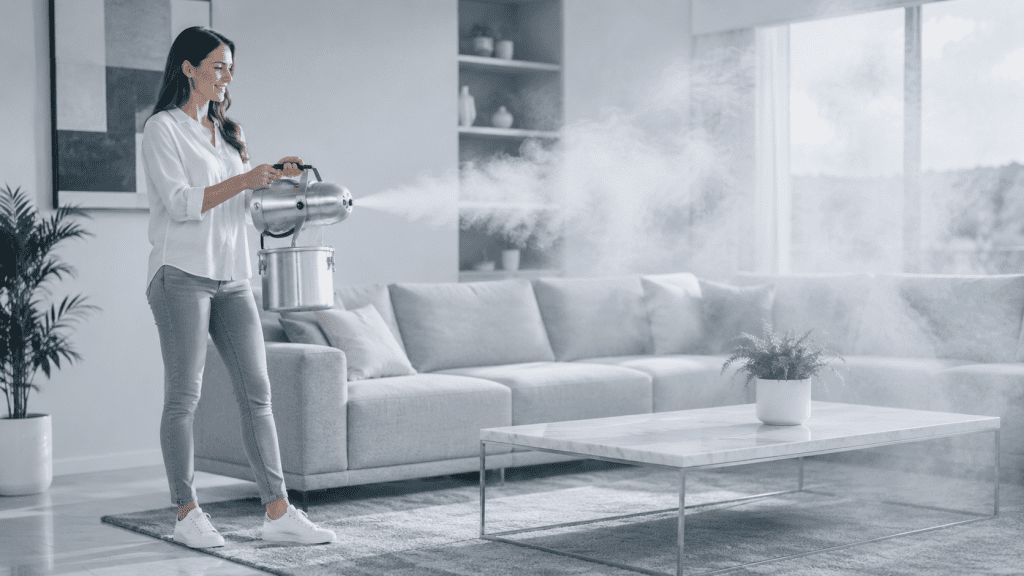
For those experiencing chronic symptoms like brain fog, fatigue, or inflammation, traditional mold tests may not go far enough. Unlike basic kits that only detect mold spores, these advanced options from Respirare Labs are designed to identify mycotoxins—the toxic byproducts mold releases into your environment. AMEA and MESA offer lab-validated, health-relevant data that help uncover the invisible threats in your home.

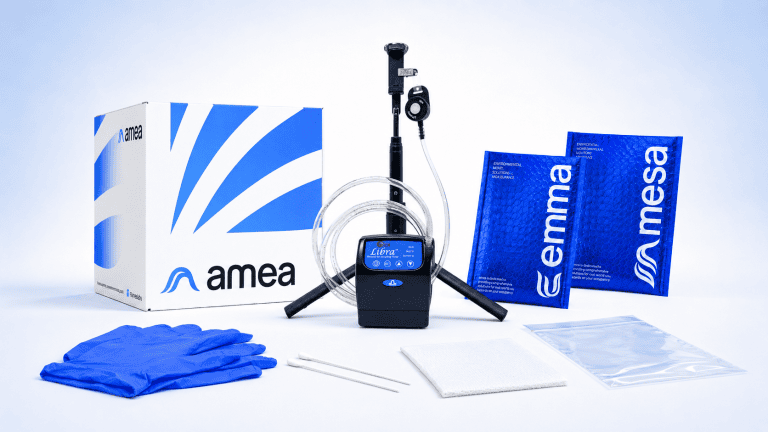
Close-up view of Respirare Labs airborne mycotoxin testing equipment, featuring the pump, sturdy tripod, transparent tubing, IOM sampler, and Myco cassette for precise air sampling.

AMEA Mycotoxin Air Test

  • Method: Captures airborne mycotoxins using professional-grade equipment that meets international standards; analyzed with ELISA-based lab testing.
  • Price: $395 for the first sample; $245 for each additional. 
  • Best for: Detecting invisible airborne mold toxins linked to health symptoms or confirming post-remediation air quality.
  • Limitations: Focused only on airborne mycotoxin contamination; does not test surfaces or contents.
Respirare Labs MESA mycotoxin surface test kit for detecting harmful mold toxins on indoor surfaces, including sampling swab, instructions, and labeled return packaging.

MESA Mycotoxin Surface Test

  • Method: Uses Hygiena Q swabs designed for environmental sampling to detect mycotoxins on surfaces and contents, with analysis via ELISA-based lab testing.
  • Price: $295 for the first sample; $225 for each additional.
  • Best for: Pinpointing contamination on specific surfaces or belongings—especially helpful after water damage or mold remediation.
  • Limitations: Only tests the surfaces you swab; does not assess airborne mycotoxins.

Traditional Mold Detection Kits: Surface and Air Tests

Traditional mold test kits typically use tape lifts, swabs, or air sampling pumps to detect mold spores on surfaces or in the air. These kits provide a more structured and lab-based analysis than petri dish tests, but they still fall short when it comes to identifying toxic byproducts like mycotoxins.

Image of Mold Inspection Network test kit included in mold test kit comparison section

Mold Inspection Network DIY Mold Test Kit

  • Method: Surface and tape-lift samples; lab fee included.
  • Price: $45–$60 for 3 samples.
  • Best for: Multi-room surface testing.
  • Limitations: This kit only detects mold on surfaces and does not test the air or identify mycotoxins. It also doesn’t quantify mold levels or differentiate between toxic and non-toxic species.
Image of My Mold Detective test kit included in mold test kit comparison section

My Mold Detective DIY Kit

  • Method: Air sampling pump with cassettes; lab fees not included.
  • Price: $89.99 for the kit; $39 per sample for lab analysis.
  • Best for: Professional-grade airborne spore testing.
  • Limitations: While it mimics professional-grade air testing, it does not detect mycotoxins or species-specific toxicity. Lab fees are charged separately, which increases the total cost per test.
Image of SeemL Labs test kit included in mold test kit comparison section.

Seeml Labs Surface Test Kit

  • Method: Surface tape samples; lab fees included.
  • Price: Approximately $25–$30 per sample.
  • Best for: Affordable surface mold detection.
  • Limitations: This kit only tests visible mold on surfaces and doesn’t assess air quality or detect mycotoxins. It’s best for confirming surface growth but not for evaluating overall environmental exposure.
Image of Healthful Home test kit included in mold test kit comparison section.

Healthful Home 5-Minute Mold Test

  • Method: Rapid swab-based immunoassay test that detects protein markers from common toxigenic molds; no lab processing required.
  • Price: Around $37.49; optional lab analysis available for additional fee.
  • Best for: Quick detection of harmful molds like Stachybotrys, Aspergillus, and Penicillium in minutes.
  • Limitations: This test does not detect mycotoxins and is limited to only a few mold types, without broader species identification.

Petri Dish DIY Mold Test Kits: Easy but Limited

These are the most affordable and accessible mold test kits, often found at hardware stores. They use simple plastic dishes to collect spores from the air or surfaces—but lack precision and are highly prone to false positives.

Image of Mold Armor test kit included in mold test kit comparison section.

Mold Armor FG500

  • Method: Petri dish for air or surface exposure; optional lab analysis.
  • Price: $9.98; optional lab analysis for $40.
  • Best for: Budget mold presence check.
  • Limitations: Offers only a basic visual indication of mold growth without species identification or lab-verified results (unless purchased separately). High risk of false positives from everyday airborne spores.
Image of Pro Lab test kit included in mold test kit comparison section.

Pro-Lab Mold Test

  • Method: Petri dish sampling for air and surface collection; lab analysis included.
  • Price: $49.95 (lab analysis fee included, with pre-paid return mailer).
  • Best for: Homeowners looking for an easy, all-in-one test with lab results included.
  • Limitations: Identifies mold only to the genus level and does not detect toxins or spore counts. It’s not designed for health-specific investigations or real-time air quality assessments.
Image of ImmunoLytics test kit included in mold test kit comparison section.

ImmunoLytics DIY Mold Test Kit

  • Method: Gravity-settle plates for air sampling; optional lab analysis available.
  • Price: Starting at $43 per plate.
  • Best for: Identifying mold presence in individual rooms with the option for professional lab analysis.
  • Limitations: This test does not detect mycotoxins and identifies mold only to the genus level, not the exact species.
Image of Evviva test kit included in mold test kit comparison section.

Evviva Sciences Mold Test Kit for Home

  • Method: This kit utilizes gravity-settle agar plates to collect airborne mold spores and includes cotton swabs for surface sampling.
  • Price: $45 for 10 tests; lab analysis available for an added fee.
  • Best for: Homeowners looking for a low-cost way to test both air and surface areas for mold growth.
  • Limitations: This kit does not detect mycotoxins and is intended for general mold presence only, not for assessing health risks or guiding remediation.

Dust Test DIY Kits: Broader Home Exposure Snapshots

While dust testing is often marketed as an easy way to detect hidden mold problems, consumers should approach it with caution. Dust can accumulate over months or even years, meaning that test results may not accurately reflect the home’s current conditions. A home might have resolved previous water damage or mold issues, yet still show positive results from lingering dust, leading to unnecessary alarm. 

On the flip side, active mold growth could be missed if the dust sample doesn’t capture the affected area. Additionally, the origin of dust is notoriously difficult to trace—especially in homes with HVAC systems, open windows, or heavy foot traffic—making it hard to pinpoint where contaminants are truly coming from. While dust testing can provide some useful information, it should never be the sole method for evaluating a home’s mold status.

Image of HomeCleanse test kit included in mold test kit comparison section.

The Dust Test by HomeCleanse

  • Method: Dust collection for mold DNA analysis
  • Price: $274 +
  • Best for: Homeowners seeking a general understanding of the mold species present in the environment over time, especially after suspected or past water damage.
  • Limitations: This test reflects a historical snapshot, not real-time conditions, and cannot detect airborne mycotoxins. Results may be skewed by older or relocated dust and won’t pinpoint where mold is actively growing.
Image of EMMA test kit included in mold test kit comparison section.

EMMA Test by RealTime Labs

  • Method: Dust testing for mold DNA and mycotoxins
  • Price: $399 +
  • Best for: Health-focused homeowners worried about both mold spores and toxins 
  • Limitations: Because it relies on dust, the EMMA test may not accurately reflect what’s currently in the air or on specific surfaces. It also cannot determine where the contamination originated or how extensive it is.

The Problem Most DIY Mold Test Kits Miss: Mycotoxins

Most at-home mold test kits stop at detecting spores—but they completely miss one of the most serious and hidden dangers: mycotoxins.

Produced by certain types of mold, mycotoxins are microscopic toxins that can contaminate your air and surfaces—even after the visible mold is gone. These chemicals are known to trigger fatigue, brain fog, respiratory issues, and chronic inflammation. Without testing for mycotoxins directly, homeowners can be left with a false sense of safety.

Side-by-Side Comparison of 2025 At-Home Mold Tests

With so many options on the market, picking the right DIY mold test kit depends on what you want to discover — and how quickly you need answers. 

Here’s a quick comparison to help you see the differences between basic mold detection, dust testing, and advanced mycotoxin testing like AMEA and MESA: 

KitPrice TierDetects Mycotoxins?Results SpeedBest Use Case
Respirare Labs AMEA (Mycotoxin Air Test)$$$✅ Yes (airborne)3–5 daysDetect airborne mycotoxins linked to illness.
Respirare Labs MESA (Mycotoxin Surface Test)$$$✅ Yes (surface)3–5 daysDetect surface mycotoxins on walls, vents, or furniture.
Mold Inspection Network DIY Kit$$❌ No3–7 daysSurface mold ID after leaks or visible growth.
My Mold Detective Air Sampling Kit$$❌ No3–5 daysMulti-room air testing with pro-style pump.
Seeml Labs Surface Test Kit$❌ No2–5 daysAffordable lab testing for surface mold.
Healthful Home 5-Minute Mold Test$$❌ No5–10 minutesFast detection of toxic molds like Stachybotrys.
Mold Armor FG500 Petri Dish Kit$❌ No48 hoursQuick check for mold in air or vents.
PRO-LAB DIY Mold Test Kit$$❌ No48 hoursBudget air/surface mold screening.
Immunolytics DIY Mold Test Kit$$❌ No5–7 daysPetri dish test with lab results + consult.
Evviva Sciences Mold Test Kit for Home$$❌ No48 hoursSimple mold growth test with ID chart.
HomeCleanse Dust Test$$$❌ No7–10 daysSnapshot of mold DNA in home dust.

When You Should Use DIY Mold or Mycotoxin Testing Kits

DIY test kits can be a powerful first step when you’re trying to make sense of unexplained symptoms, verify indoor air quality, or evaluate a space before investing further. When used in the right context, they can offer clarity, save money, and help you take confident next steps—especially when testing for mycotoxins, which often go undetected in standard mold inspections.

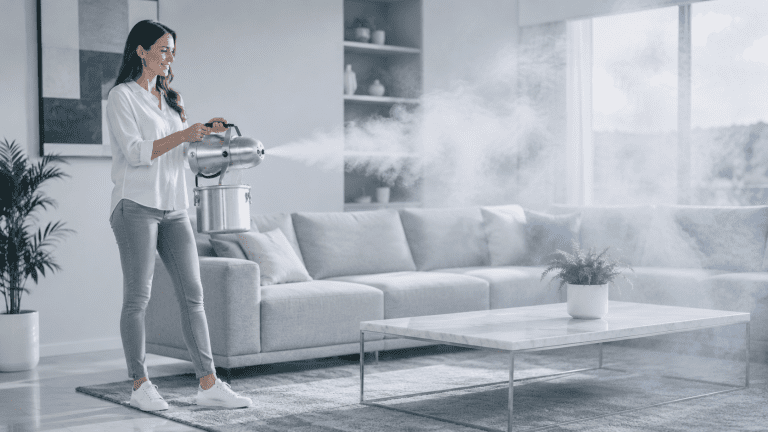
Illustration of airborne mold spores and mycotoxins magnified inside a home, highlighting the invisible contaminants a diy mold test kit can help uncover.

When You Suspect Mold but Can’t See It

If you’re experiencing musty odors, unexplained health symptoms, or have a history of water damage—but no visible mold—DIY testing can help determine whether mold might be present in the environment.

For Initial Screening or Peace of Mind

DIY kits are ideal for early-stage testing when you’re not sure if you need a full inspection. They’re low-cost, easy to use, and can help determine whether mold or mycotoxins might be present before committing to professional remediation or diagnostics.

When Validating Unexplained Health Symptoms

Mycotoxins are often the missing piece in chronic symptoms like fatigue, brain fog, and inflammation. If you’ve ruled out other causes, DIY mycotoxin testing such as AMEA & MESA can provide useful insight into whether your environment may be affecting your health—especially if you’re already seeing clinical signs of mold-related illness.

After Remediation to Confirm a Safe Environment

Respirare Labs DIY mycotoxin tests can be used post-remediation to confirm that surfaces and air are clear of toxic residue. This can provide peace of mind, especially for sensitive individuals or families with a history of mold-related health issues.

Before Buying or Renting a Property

Standard home inspections don’t check for mold or mycotoxins. Using a DIY mycotoxin test before you close can be a cost-effective way to screen the environment for hidden contamination—especially in homes with past water damage or for families with children, elderly, or immunocompromised individuals. It’s not a replacement for a full inspection, but it can offer peace of mind early in the process or help you decide if further investigation is needed.

Visual icons representing mold testing, symptom tracking, health protection, and home evaluation—used to communicate the decision-making process behind indoor mold and mycotoxin testing.

When Not to Use DIY Mold or Mycotoxin Testing Kits

While DIY kits can provide helpful information, there are situations where a professional inspection is the better (or required) route. This is especially true when legal documentation, precise contamination mapping, or large-scale remediation is involved.

When You're Involved in Litigation or Legal Disputes

If you’re dealing with a legal issue involving mold—like a landlord dispute, insurance claim, or home sale—DIY test results aren’t considered reliable evidence. You’ll need a licensed professional and formal documentation that can stand up in court.

When Mold Is Clearly Visible

If mold is visibly growing on walls, ceilings, or furniture, there’s no need to test—visual evidence is enough to move forward. Your priority should be finding and fixing the moisture source, then completing proper remediation. After the cleanup, a DIY mycotoxin test can be useful for verifying that the space is safe and no toxic residues remain.

When Developing a Remediation Plan

DIY test kits cannot determine the extent of contamination, which materials are affected, or what must be removed. A professional inspector will use tools like moisture meters and thermal imaging to define the scope of work and help you avoid under- or over-remediating.

High-Stakes Financial Decisions

If you’re buying, selling, or renovating a home, a DIY mold test alone isn’t enough. In these cases, you need a certified inspection with lab-backed documentation to inform your decisions and protect your investment. While at-home mycotoxin tests can support early screening, only professional assessments can fully evaluate risk, satisfy legal or lender requirements, and ensure nothing is missed.

Illustration of airborne mold spores magnified inside a home, highlighting the invisible contaminants a diy mold test kit can help uncover.

The Clear Winner: Mold Test Kits That Detect Mycotoxins

When evaluating the reliability of mold test kits in 2025, the key difference comes down to what they actually detect. Most kits stop at identifying mold spores—but spores alone don’t tell the full story. Mycotoxins, the invisible toxins released by certain molds, often linger in the air and on surfaces even after visible mold is gone—and they’re what most directly impact your health.

That’s why AMEA and MESA by Respirare Labs stands out. These advanced DIY test kits go beyond basic detection to analyze your environment for airborne and surface-bound mycotoxins. Whether you’re screening a new home, validating ongoing health symptoms, or confirming a successful remediation, they offer deeper insight you won’t get from traditional mold kits.

If you’re looking for true reliability in a DIY mold test—choose one that doesn’t just find mold, but reveals the toxins it may have left behind.

Ready to truly understand your home’s air and surface safety? Explore AMEA and MESA mycotoxin testing today!

Share this blog article